Description
The Glutathione & GHK-CU Duo combines two of the most widely discussed compounds in peptide and antioxidant research. This advanced research pairing is frequently explored in studies involving cellular signaling, oxidative stress pathways, peptide-copper interactions, and overall biochemical stability.
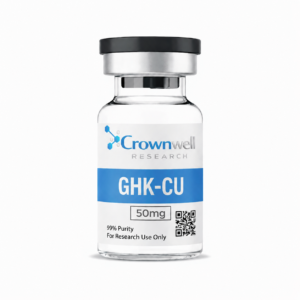
GHK-CU is a naturally occurring copper-binding peptide studied for its role in peptide signaling and tissue-related research models. Glutathione, commonly referred to as one of the body’s primary endogenous antioxidants, is widely investigated in oxidative balance and cellular defense research environments.
Together, this research duo provides laboratories and investigators with a complementary pairing frequently utilized in advanced biochemical and peptide-focused research protocols.
At Crownwell Research, each compound is selected with an emphasis on purity, professional presentation, and research-focused quality standards. Products are manufactured for laboratory research environments and are accompanied by batch-based verification procedures when available.
Research Applications Commonly Explored
- Oxidative stress pathway research
- Copper peptide signaling studies
- Cellular environment and peptide interaction models
- Antioxidant-related laboratory investigations
- Tissue-related peptide research
- Advanced peptide combination studies
Product Features
- Research-grade compounds
- Premium laboratory presentation
- Batch-focused quality standards
- Secure packaging and handling
- Designed for research applications only
Why Researchers Pair Glutathione With GHK-CU
Researchers frequently investigate peptide-antioxidant combinations due to the potential complementary relationship between copper-binding peptides and antioxidant systems within laboratory models. GHK-CU is often examined in peptide signaling research, while Glutathione remains a major focus in oxidative defense and free radical research environments.
The pairing has become increasingly recognized within peptide research communities due to its broad experimental versatility and compatibility with multiple research frameworks.